Sand Springs services · what's different here
Sand Springs has distinct wind-opening and high-water cleanup questions
Water damage in Sand Springs: wait for safe access, then assess
A May 22, 2019 public-safety notice identified Town and Country, River View Estates, Meadow Brook Estate and Fisher Bottoms as Sand Springs areas expected to face flood impacts. That notice belongs to one historic event, not today's forecast. It shows why local evacuation and access directions matter before anyone starts an interior cleanup.
If your property takes outside water, keep a record of when it entered and when access became safe. Do not go back simply because the street looks passable. Once entry is cleared, tell us which rooms had standing water and what was moved or removed. We assess the remaining wet materials and explain the drying needs. A receded waterline is useful history, but it is not confirmation that the building is dry. Learn more about water damage restoration.
Storm damage in Sand Springs: wind can leave several water entry points
The NWS March 25, 2015 storm survey records an EF2 tornado that developed over Keystone Lake and crossed the Arkansas River before dissipating near Highway 97. The survey also describes broader wind damage along Charles Page Boulevard, including shingle and structural damage. Tornado-track damage and nearby straight-line wind damage can both leave a building exposed to later rain.
After officials say it is safe, photograph visible openings from the ground and note interior stains in the rooms beneath them. Avoid climbing onto damaged roofing. Our assessment follows the reported rain entry into accessible ceilings and walls. We explain what remains wet and document the findings, while keeping the exterior-repair question separate from the interior drying question. A repaired roof is important, but it does not measure the moisture below. Learn more about storm damage.
Mold risk in Sand Springs: storm cleanup needs a drying endpoint
The Sand Springs storm survey documents homes and businesses damaged by both tornado winds and the broader wind field. If rain enters through those openings, a room can remain damp after debris has been cleared. Mold is a risk following that water damage, not a certainty because a building stood near a storm path. EPA guidance emphasizes checking wet materials rather than relying only on appearances.
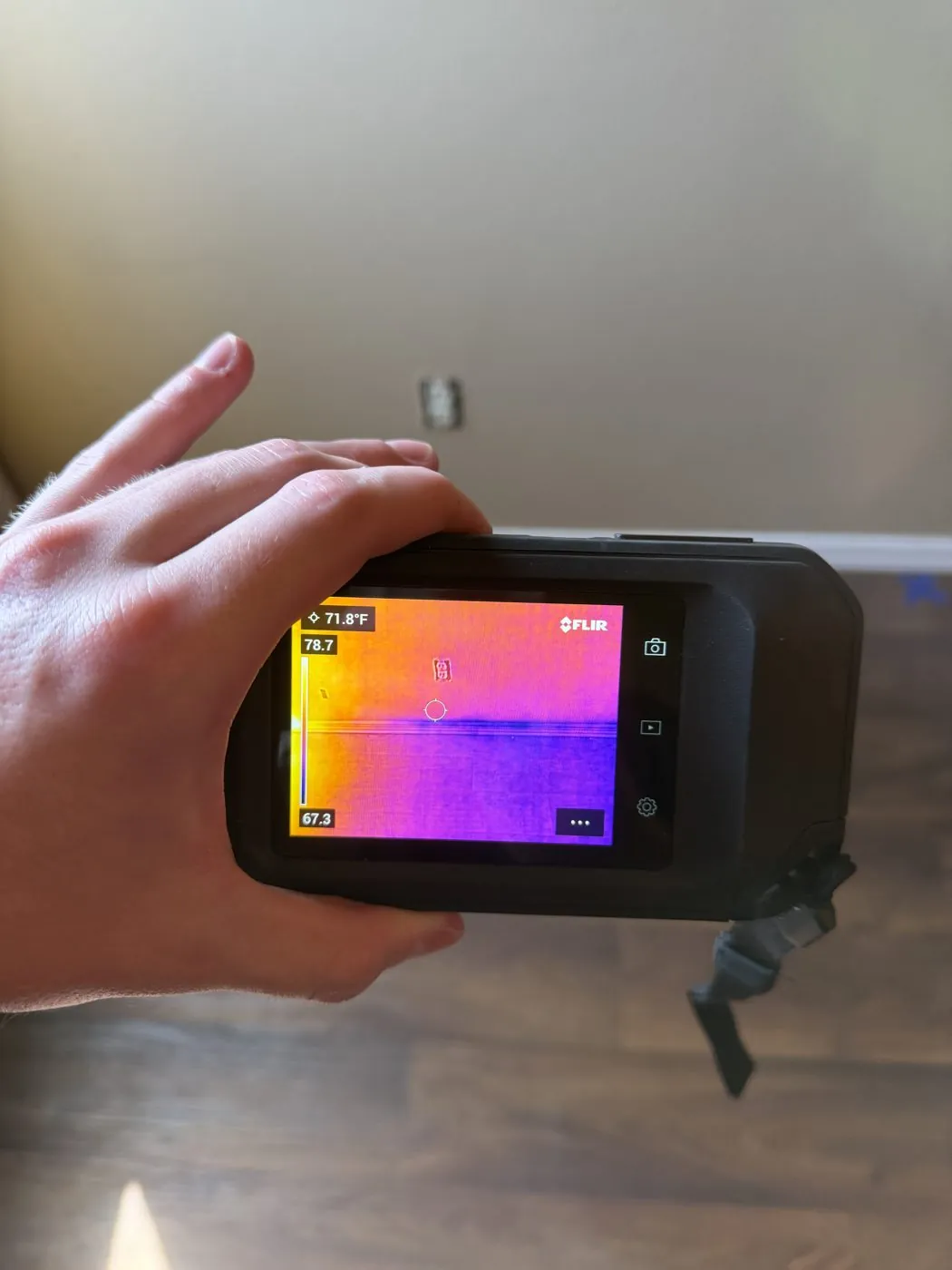
We test moisture levels and assess the affected area before recommending anything. Tell us if a ceiling was enclosed again, a room stayed unused or an odor persisted after the original cleanup. We use that history to guide inspection and explain the findings plainly. The recommendation should match the actual remaining moisture or mold-related conditions, not the severity of a historic storm elsewhere in Sand Springs. Learn more about mold remediation.
Fire and smoke damage in Sand Springs: outdoor burns can affect property
Sand Springs' open-burn information warns that escaped burns have caused property losses and explains restrictions within city limits. It lists specific exceptions and a variance process rather than treating all outdoor burning alike. Check current city guidance and burn-ban conditions before considering any burn.
If a fire affects your building, emergency response and safe re-entry come first. Once officials permit access, describe whether damage came from heat, smoke, embers or water. The water used to put out a fire needs drying too, including moisture away from the visibly burned area. Recovery recommendations should follow an assessment of those conditions, not an assumption that every nearby room needs identical treatment. Read about fire and smoke damage.
Is the on-site assessment free for a Sand Springs property?
Yes, Nitro offers a free on-site assessment with no obligation.