Jenks services · what's different here
In Jenks, creek backwater can outlast the rain overhead
Water damage in Jenks: Polecat Creek has a backwater history
A City of Jenks engineering memorandum records flooding from May 20-31, 2019, followed by falling Arkansas River levels and backwater in Polecat Creek. That matters because water at a property can reflect conditions upstream, not only the rain falling on the roof. A quiet sky does not explain whether an affected room has finished drying.
If water entered from outside, tell us when it first appeared and whether it rose more than once. Keep clear of unstable banks and follow local access restrictions. Inside a safe building, our role is to assess the wet materials and explain the drying scope. We do not turn a historic creek event into a claim that every Jenks address has the same exposure. Learn more about water damage restoration.
Storm damage in Jenks: a river event is also a drainage event
Jenks' comprehensive-plan map identifies Polecat, Coal, Nickel and Hager creeks as well as the Arkansas River. The city's floodplain development application asks about the nearest creek or tributary, previous flooding and safe access during floods. Those are useful distinctions for homeowners too: a storm's effects depend on the drainage route and the property, not just the city name.
During a warning, use current emergency directions rather than an old flood footprint. After safe access is restored, show us where water crossed a threshold, collected against a wall or entered through storm damage above. We document the resulting moisture conditions. That gives you an interior drying assessment while drainage concerns and any exterior repairs are addressed on their own merits. Learn more about storm damage.
Mold risk in Jenks: saturation can linger after floodwater falls
The Jenks bank-stabilization memorandum describes two weeks of saturated soil along Polecat Creek before a bank failure south of 106th Street on June 2, 2019. That is a site-specific engineering record, not a mold diagnosis for homes nearby. It does illustrate why the day floodwater recedes and the day affected materials are dry are different milestones.
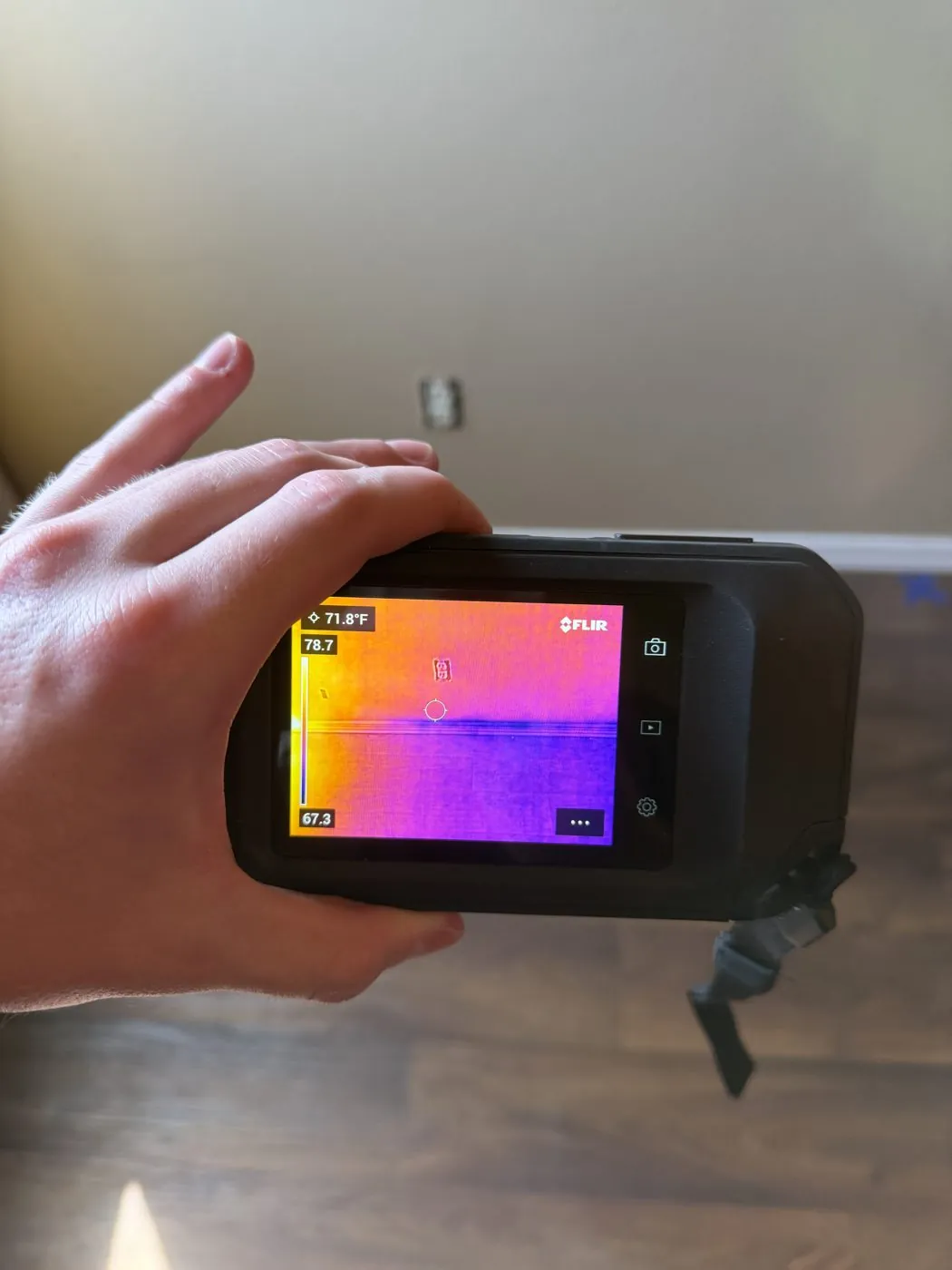
After water damage, we test moisture levels and assess the affected area before recommending anything for mold. Tell us about damp storage areas, persistent odors or materials that were covered again before anyone checked them. We use those observations to guide the assessment, not to assume contamination. The focus is the moisture left in the building and whether the findings support drying, further investigation or a defined mold-remediation scope. Learn more about mold remediation.
Fire and smoke damage in Jenks: wildland and building incidents differ
Jenks Fire & Rescue lists wildland fire suppression among its services, alongside structural fire response and rescue work. A property affected by outdoor smoke presents different inspection questions from a room exposed to direct heat. The incident history matters; a smell alone does not describe the full loss.
After responders clear the building for entry, note any broken windows, damaged finishes and areas reached by hoses. The water used to put out a fire needs drying too. An assessment should identify that moisture separately from smoke-related damage and explain any limitations on access. Do not restart systems or disturb damaged materials before the appropriate safety checks. Read about fire and smoke damage.
How long does Nitro usually monitor drying equipment at a Jenks home?
A typical dry-out averages four to seven days, with the actual duration guided by moisture readings.